Structural & Sanitary Services
Crawlspace and attic cleanup after the animals are gone — droppings, nesting material, contaminated insulation.
Learn more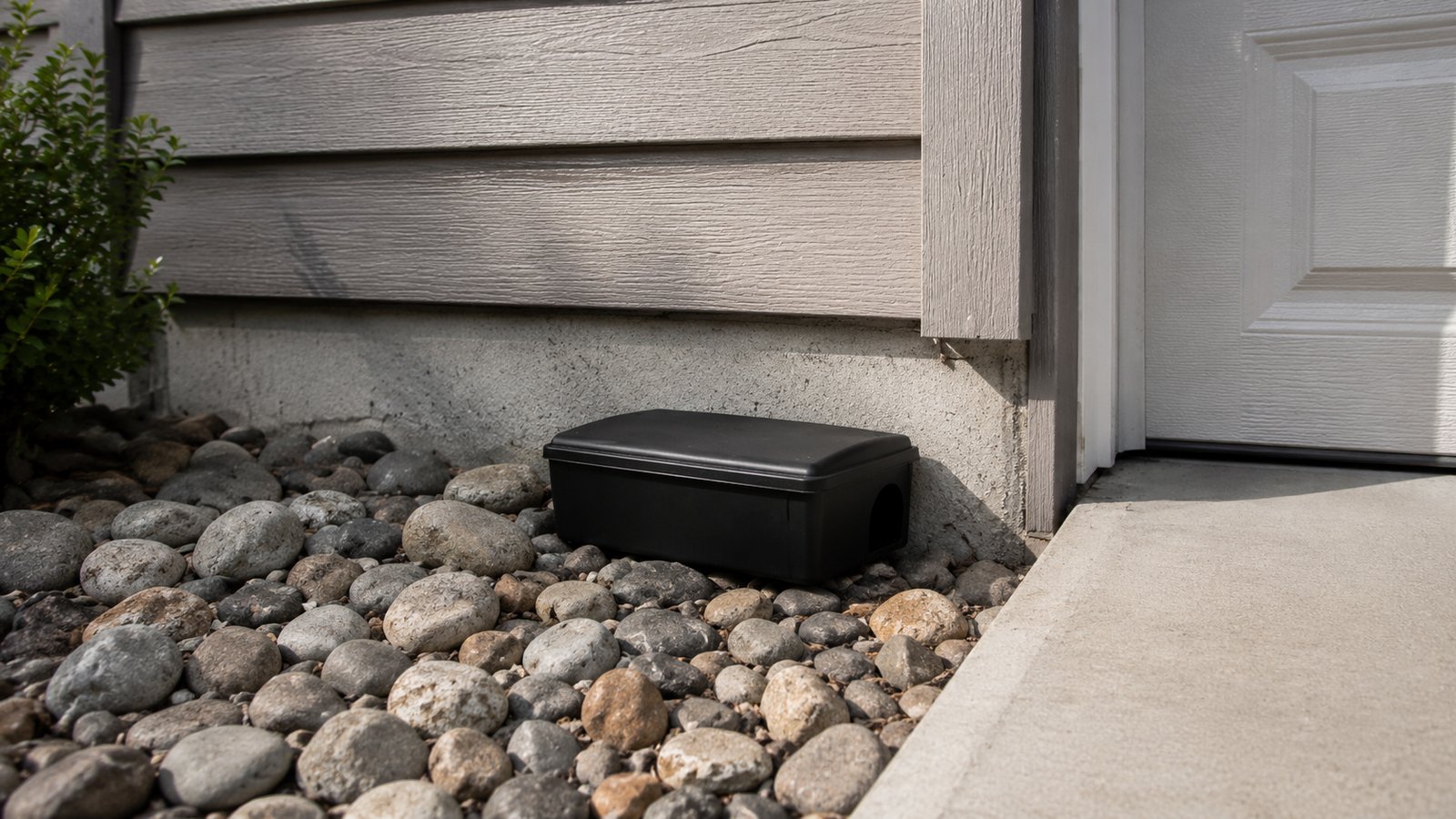
Removal + Prevention
Rodents and wildlife aren't just a nuisance — they're a threat to the structure and the sanitary safety of the building. Chewed wiring is a fire hazard, contaminated insulation is a health problem, and a population left alone only grows.
Our approach treats removal and prevention as one job: humane extraction of the animals that are there now, then a structural consultation that pinpoints exactly how they got in — because if the entry point stays open, the next animal is already on its way.
What We Handle
House mice and deer mice are among the region's most common invaders, and they fit through openings as small as a dime. Once in, they nest in wall voids, insulation, and storage areas. Droppings in cabinets, scratching in the walls, chewed packaging — those are the signs. We find the nesting areas and place professional traps and monitoring devices where the activity actually is.
Rats out-chew and out-damage mice — wiring, insulation, framing, plumbing. Norway rats work burrows and crawlspaces; roof rats take attics and elevated spaces. Rat pressure here is heaviest on the urban Spokane side of our territory, while the Idaho side is mostly a mouse story. Control combines full inspection, strategic traps and bait stations, continuous monitoring, and consultation on sealing entries.
Loud scrambling in the attic, damage at roof vents, fascia, or soffits — squirrels chew insulation, beams, and wiring once they're nesting overhead. We remove them with humane trapping and exclusion techniques, then identify the vulnerabilities and consult on sealing the roofline so the attic stays empty.
Raccoons tear open vents, roofing, and siding to reach crawlspaces, chimneys, attics, and the space under decks — then contaminate what they nest in. They can be aggressive when threatened, so professional trapping and humane removal is the safe route. We inspect the damage, assess the sanitary conditions, and consult on sealing re-entry points with professional-grade materials.
The First-Frost Push
Every fall in the Inland Northwest follows the same pattern: the first hard frost sends rodents hunting for warmth, food, and nesting space — and by midwinter, the ones that found a gap are established in attics, crawlspaces, and garages. The best time to rodent-proof is before that push. Our technicians inspect the entry points animals use most:
Between visits, you can lower the pull on your own: secure garbage containers, remove outdoor food sources, trim branches away from the roofline, and clear clutter near the structure.
FAQs
Through openings most people never notice — gaps around foundations, vents, rooflines, and utility pipes. A mouse can squeeze through a hole the size of a dime, which is why finding and sealing entry points matters as much as trapping.
Yes. Rodents can spread disease, contaminate food, and chew on wiring, insulation, and building materials — gnawed electrical wiring is a genuine fire hazard. The damage grows the longer they stay, so act early.
Sealing entry points, keeping food and garbage storage clean and secured, and maintaining professional monitoring are the most effective steps. After removal, we identify how the animals got in and consult on closing those routes for good.
Related
Crawlspace and attic cleanup after the animals are gone — droppings, nesting material, contaminated insulation.
Learn moreQuarterly perimeter service with rodent bait-station monitoring built into every visit.
Learn moreYear-round monitoring that catches rodent activity before the first-frost push turns it into an infestation.
Learn moreFree, No-Pressure Quote
Don't wait for it to multiply. Tell us what you're hearing or seeing and we'll get a technician out to find it, remove it, and show you exactly how to close the door behind it.
Get My Free Quote