Rodent & Wildlife Management
Removal first, cleanup second — get the animals out before the crawlspace gets restored.
Learn more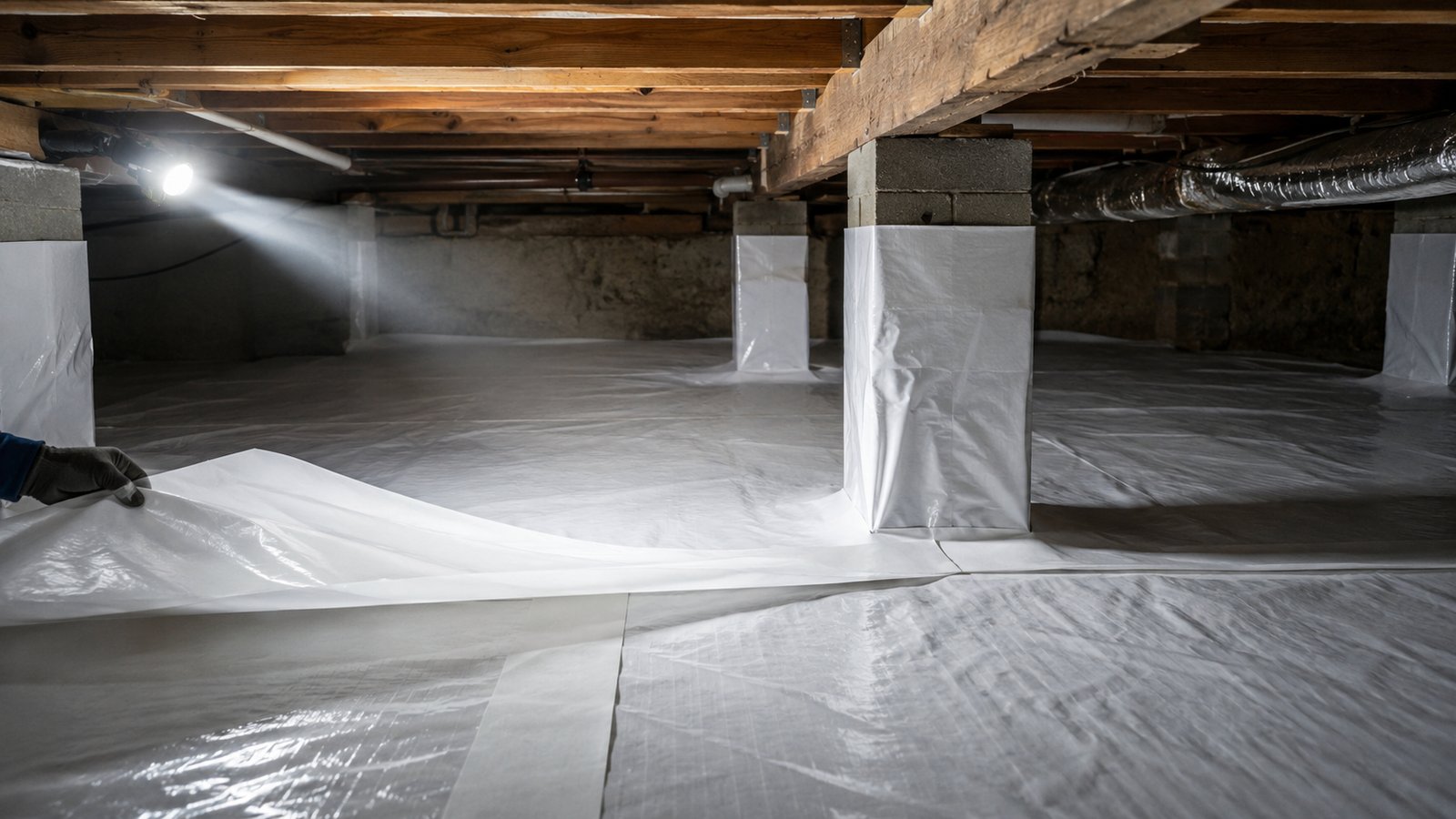
Prevention at the Source
Most pest control treats infestations after they happen. Structural prevention asks a better question: how are they getting in, and why do they want to stay? A lot of this region's housing runs on crawlspaces and old basements — pre-war stock in Spokane and older Coeur d'Alene, ranch homes across Spokane Valley — and those spaces are exactly where pests hide, nest, and breed unseen. Our specialists evaluate the structure itself, pinpoint the vulnerabilities, and give you professional guidance on the repairs and sanitation standards that keep pests out for good.
The Work
Mice fit through a dime-sized hole; insects need less. During an exclusion inspection your technician examines the places pests actually use to get in, then recommends the professional-grade sealing materials and methods to close them:
When rodents or wildlife have lived in a crawlspace or attic — and after a winter or two here, many have — they leave droppings, urine, nesting material, and ruined insulation behind. That contamination produces odors, raises health concerns, and actively attracts the next animals. Our cleanup service removes the droppings and nesting debris, pulls contaminated insulation, and clears what's left, then we recommend the preventative measures that keep the space clean.
Moisture Control
Moisture is a pest magnet — it supports the mold, fungi, and decaying material that pests feed on, and crawlspaces collect it because airflow is limited. Damp spaces invite the pests that thrive in humidity, from silverfish and cockroaches to termites. Our moisture control and crawlspace encapsulation consultation addresses it at the source.
Even a tight house can pull pests in. We audit the property for the usual draws — leaking pipes and standing water, unsealed trash, firewood stacked against the house, vegetation touching the structure, open gaps in sheds and storage — and give you practical, prioritized fixes.
FAQs
Exclusion means finding and sealing the cracks, gaps, and openings pests use to get into a structure — around doors and windows, foundation cracks, utility penetrations, roof vents, and siding seams. It's one of the most effective forms of long-term pest prevention.
Rodents and wildlife contaminate crawlspaces with droppings, urine, and nesting material, and damaged insulation holds onto all of it. Cleanup restores sanitation, removes the attractants that draw the next animals in, and protects the health of the home above.
Yes. Damp crawlspaces support the mold, fungi, and decaying material that pests feed on, and insects like silverfish and cockroaches thrive in humidity. Vapor barriers, better ventilation, and dehumidification make the space far less inviting.
Related
Removal first, cleanup second — get the animals out before the crawlspace gets restored.
Learn moreTargeted treatment for the ants, spiders, and roaches already inside while the structure gets sealed.
Learn moreKeep the gains: quarterly inspections and monitoring after the structural work is done.
Learn moreFree, No-Pressure Quote
Get a structural evaluation from people who know exactly where pests get in — and what it takes to keep them out.
Get My Free Quote